Cacio e Pepe with American Supermarket Ingredients
Cacio e pepe is a minimalist Roman pasta dish traditionally prepared with just pasta, aged pecorino cheese, and black pepper. Its simplicity belies the technique required to achieve a creamy, cohesive sauce without the addition of cream or butter. In many American kitchens, however, the ingredients available differ from those found in Rome, and the technique must be adjusted accordingly. Durumia Kitchen approaches this adaptation by examining how domestic supermarket items influence the process and what modifications can help home cooks achieve a balanced result.
This article explores the use of domestic pecorino, pre-ground or whole black pepper, and durum spaghetti — all commonly available in US stores — to prepare a version of cacio e pepe. It outlines ingredient selection, preparation methods, and key considerations for managing the starch‑water emulsion. Rather than promising a specific outcome, the discussion emphasizes the conditional nature of cooking: factors such as cheese moisture, pepper grind size, pasta cooking time, and pan temperature all interact and can influence the final texture. The goal is to provide a clear, process‑oriented framework that readers can adapt to their own kitchen environment.
By understanding the role of each component and the way domestic ingredients may behave differently, cooks can make informed decisions at each step. Durumia Kitchen presents this information as a guide to methodology, not as a set of guaranteed instructions. Cooking is inherently variable, and the observations here are intended to support experimentation and observation rather than to prescribe a single path.
Understanding the Ingredient Roles in Cacio e Pepe
Each of the three core ingredients — pasta, cheese, and pepper — contributes distinct characteristics to the dish. Durum spaghetti, made from durum wheat semolina, provides a firm texture and a starchy cooking water that is essential for creating the sauce. Domestic durum spaghetti varieties available in US supermarkets generally offer consistent starch release, though the exact amount can vary by brand and cooking time. The pasta should be cooked in a relatively small volume of water to concentrate the starch, which aids emulsification later.
Domestic pecorino romano, often sold pre‑grated or in wedges, tends to be drier and saltier than some artisanal Italian versions. This dryness affects how readily the cheese melts into the starchy water; it may require finer grating or gentle warming to disperse evenly. Black pepper, whether whole and freshly ground or pre‑ground, supplies aroma and heat. Freshly grinding pepper just before use preserves more volatile oils, but pre‑ground pepper is a common supermarket convenience and can still contribute flavor, albeit with a somewhat different character.
The interaction among these ingredients is central to the dish. The starch in the pasta water acts as an emulsifier, helping to suspend melted cheese and pepper particles in a smooth sauce. When domestic pecorino is drier, the emulsion may be more prone to breaking if overheated or if the cheese is added too quickly. Recognizing these variables allows the cook to adjust grating size, water temperature, and mixing technique to maintain a cohesive sauce. Durumia Kitchen emphasizes that no single adjustment guarantees success; rather, a series of small, observation‑based decisions shapes the outcome.
Selecting Domestic Ingredients from US Supermarkets
When shopping for cacio e pepe ingredients in American supermarkets, several practical considerations arise. Durum spaghetti is widely available, but labels should be checked for “100% durum wheat semolina” to ensure the expected starch behavior. Some brands may include additional enrichments or use different drying methods, which can subtly alter texture and starch release. Domestic pecorino romano is typically found in the specialty cheese section or pre‑grated in tubs; wedges that are freshly grated at home often yield a more consistent melt than pre‑grated versions, which may contain anti‑caking agents.
Black pepper is another variable. Whole peppercorns ground in a home grinder offer fresh aroma, but supermarket pre‑ground pepper is acceptable if it is reasonably fresh. The grind size matters: a medium‑fine grind distributes more evenly than a coarse crack, though some cooks prefer a coarser texture for visual appeal. Durumia Kitchen suggests tasting the pepper before use, as pre‑ground spices can lose potency over time. Storage in a cool, dark place helps preserve flavor.
Water quality and salt are also part of the ingredient set. Tap water in most US municipalities is suitable for pasta cooking, but very hard water may affect starch extraction slightly. Salt should be added to the cooking water, though the amount can be moderated because domestic pecorino is often quite salty. A common approach is to salt the water modestly and then adjust the final dish with additional cheese or pepper rather than adding more salt. These selections form the foundation for a process that remains flexible and responsive to the ingredients at hand.
Preparation and Emulsification Technique
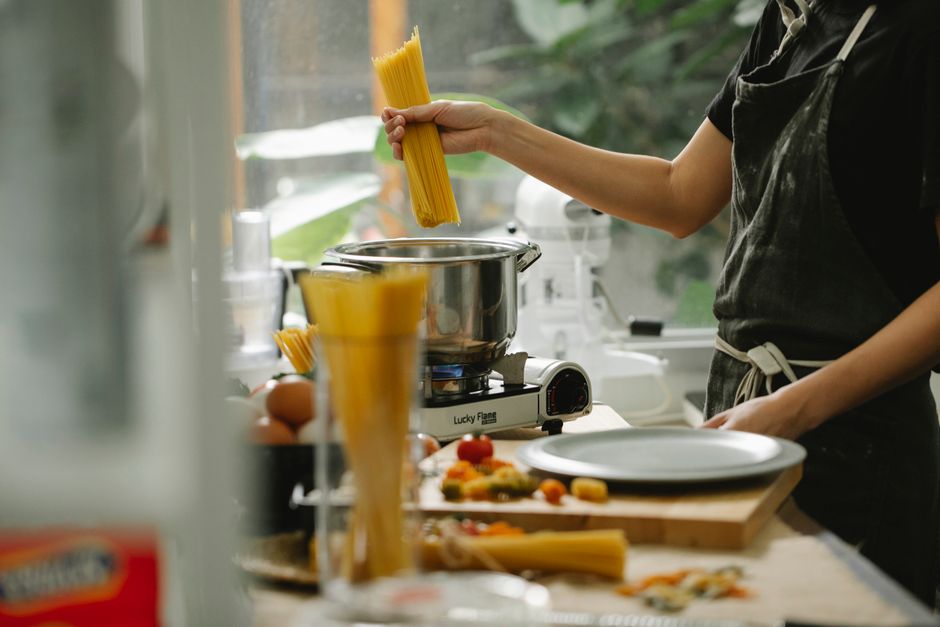
The preparation of cacio e pepe with domestic ingredients follows a sequence that prioritizes temperature control and mechanical action. Start by bringing a pot of water to a boil; use less water than for a typical pasta dish — roughly two quarts per pound of pasta — to increase starch concentration. While the water heats, grate the pecorino finely and toast the black pepper in a dry skillet over medium heat until fragrant, then set it aside. When the water boils, add salt and the durum spaghetti, stirring occasionally to prevent sticking.
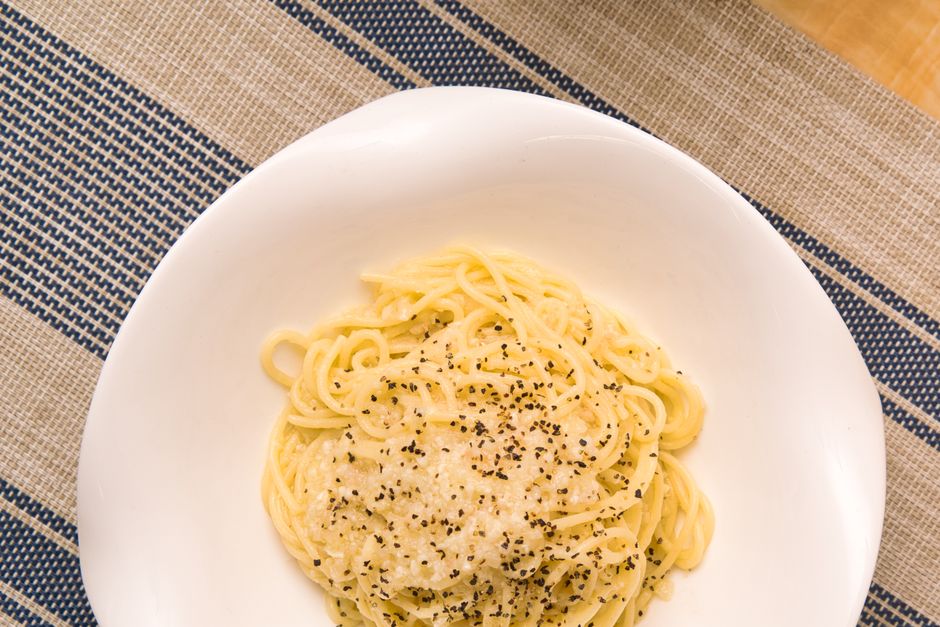
As the pasta approaches al dente, reserve a cup of the starchy cooking water and drain the pasta. Transfer the pasta to the skillet with the toasted pepper, add a splash of the reserved water, and toss over low heat. Gradually sprinkle the grated pecorino while tossing continuously, adding more water as needed to create a smooth sauce. The key is to keep the pan temperature moderate; if the pan is too hot, the cheese may clump or the sauce may break. If the mixture appears dry, add water in small increments; if it seems too loose, continue tossing to allow steam to escape and the sauce to tighten.
Durumia Kitchen notes that the emulsion is sensitive to the moisture content of the cheese. Domestic pecorino that is very dry may benefit from being mixed with a small amount of warm water before adding to the pasta, creating a paste that disperses more easily. Conversely, if the cheese is relatively moist, less water may be needed. Observation and adjustment are central: the cook should watch the sauce’s consistency and respond rather than adhere rigidly to fixed quantities. This approach acknowledges that outcomes depend on multiple factors, including the specific brands of pasta and cheese used.
Common Challenges and Contextual Adjustments
Several challenges commonly arise when adapting cacio e pepe to American supermarket ingredients. One frequent issue is a sauce that turns grainy or clumps. This can occur if the cheese is added to a pan that is too hot, causing the proteins to coagulate before they can emulsify. Lowering the heat and adding a bit more starchy water while tossing often helps restore smoothness. Another challenge is excessive saltiness, which may stem from domestic pecorino’s higher sodium content. In such cases, using less salt in the cooking water or blending the pecorino with a milder cheese like parmesan can balance the flavor, though this deviates from the classic profile.
Pepper intensity is another variable. Pre‑ground pepper may be less aromatic, leading some cooks to use more, which can introduce bitterness. Toasting whole peppercorns and grinding them fresh is an option, but if only pre‑ground is available, adding it toward the end of cooking can preserve some aroma. Pasta texture also matters: durum spaghetti cooked beyond al dente releases more starch and may yield a softer sauce, while undercooked pasta may not release enough starch. Durumia Kitchen suggests cooking the pasta just to al dente and reserving a generous amount of water to have flexibility during emulsification.
Equipment differences, such as the thickness of the skillet or the intensity of the stove’s heat, can further influence results. A heavy‑bottomed skillet distributes heat more evenly, reducing hot spots that might break the sauce. Electric coil stoves may cycle on and off, requiring closer attention. These contextual factors mean that a technique that works in one kitchen may need slight modifications in another. The article does not claim that any single method will always succeed; instead, it highlights the importance of adapting to the specific conditions and ingredients available.
“The variability of domestic ingredients invites a flexible approach: observe, adjust, and taste at each stage rather than relying on fixed timings or quantities.”
Final Considerations for Home Cooks
Preparing cacio e pepe with American supermarket ingredients is a process of informed adaptation. The dish relies on the interaction of starch, fat, and moisture, and domestic ingredients introduce variations that can be managed through careful observation. Durumia Kitchen encourages cooks to view the recipe as a framework rather than a rigid formula. By understanding how domestic pecorino, black pepper, and durum spaghetti behave, and by adjusting technique accordingly, home cooks can explore this Roman classic within the context of their own kitchens.
It is important to remember that cooking outcomes are influenced by many external factors, including ingredient freshness, equipment performance, and environmental conditions. No method can guarantee a specific result, and the information presented here is intended to support decision‑making rather than to replace personal judgment. Readers are encouraged to taste, experiment, and refine their approach over time. The aim is to build familiarity with the process, not to achieve perfection on the first attempt.
Ultimately, cacio e pepe with domestic ingredients offers an opportunity to engage with a traditional dish through a practical, American‑supermarket lens. The focus remains on transparency and methodology, allowing cooks to make choices that suit their preferences and circumstances. As with any cooking endeavor, success is conditional and emerges from a combination of knowledge, observation, and adaptation.