Building a Weeknight Pasta Pantry with Durum Wheat
Building a weeknight pasta pantry is largely an exercise in planning rather than cooking. The idea is to keep a small, dependable set of shelf-stable ingredients on hand so that a pasta meal can be assembled from what is already in the kitchen, without a separate trip to the store. Durum wheat pasta sits at the center of this approach because it stores well, cooks predictably, and pairs with a wide range of simple sauces and toppings.
The pantry model described here focuses on four categories: durum wheat pasta, canned tomatoes, olive oil, and cheese. Each category contributes a different function. Pasta provides the base, tomatoes supply acidity and body, olive oil carries flavor and helps bind a sauce, and cheese adds salinity and richness. Understanding how these categories work together makes it easier to decide what to stock and how much to keep on hand.
This article outlines a process-oriented framework for setting up and maintaining such a pantry. It covers ingredient selection, storage practices, quantity planning, and a flexible approach to assembling weeknight meals. The emphasis is on methodology and transparency, since results in the kitchen depend on many variables, including personal taste, equipment, and the specific products chosen.
Why Durum Wheat Pasta Belongs at the Center
Durum wheat pasta is made from durum semolina, a hard wheat that produces a firm, elastic dough. In the United States, most dried pasta labeled simply as pasta is made from durum wheat or a durum blend, and the label usually indicates the ingredients. The firmness of the cooked product is one reason it works well in a pantry context: it holds its shape when tossed with a sauce and tends not to become overly soft during reheating.
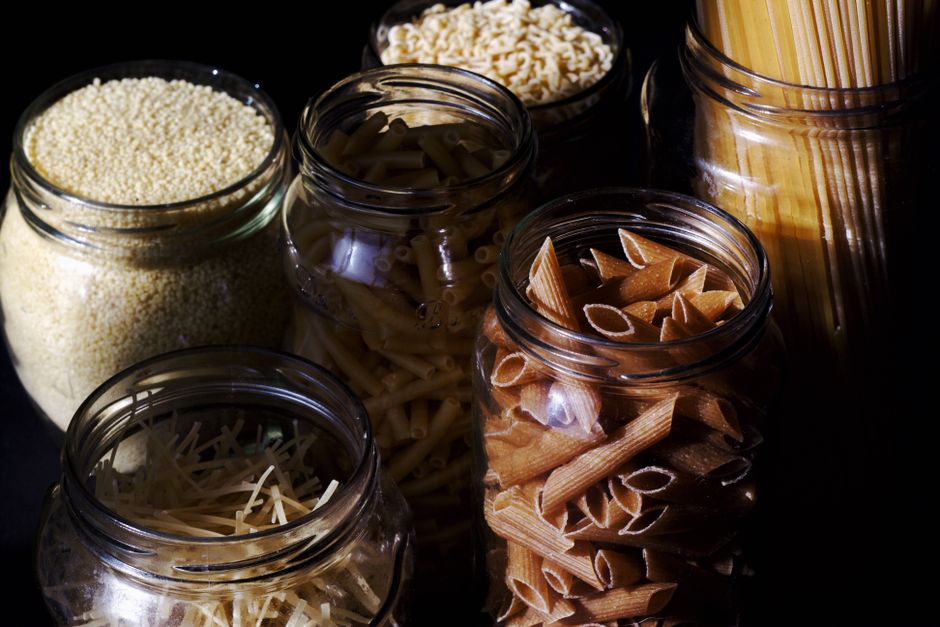
From a storage standpoint, dried durum pasta is shelf-stable for long periods when kept in a cool, dry place away from moisture and strong odors. Its low moisture content makes it less vulnerable to spoilage than fresh pasta, and sealed packages protect it from pantry pests. This durability is central to the weeknight pantry concept, because it means the base of the meal can be purchased in advance and stored without special handling.
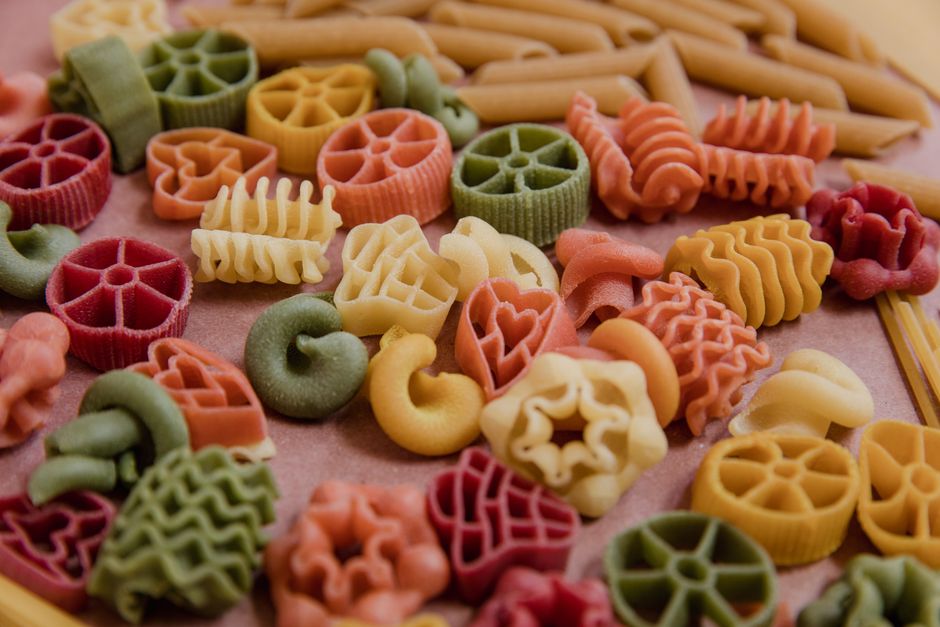
Shape selection is a practical consideration. Different shapes hold sauce differently, and a pantry stocked with two or three complementary shapes offers flexibility without excessive inventory. Long shapes such as spaghetti or linguine suit thin, oil-based sauces, while short shapes such as penne, rigatoni, or fusilli work well with chunkier tomato sauces and vegetable additions. Rotating among a few shapes also helps prevent monotony in the weekly rotation.
- Long shapes for light, oil-based sauces and quick tosses.
- Short tubular shapes for thicker tomato sauces and chunky mixtures.
- Twisted or ridged shapes for capturing sauce and small ingredients.
Core Pantry Components and Their Roles
Canned tomatoes form the second pillar of the pantry. They are available as whole peeled tomatoes, crushed tomatoes, diced tomatoes, and tomato puree or paste, and each format behaves differently in a sauce. Whole peeled tomatoes can be crushed by hand or with a utensil for a textured result, crushed tomatoes offer a smoother base, and paste concentrates flavor and thickens a sauce. Keeping two formats, such as crushed tomatoes and paste, covers most situations without crowding the shelf.
Olive oil is both a cooking medium and a finishing element. A general-purpose olive oil is suitable for sautéing aromatics and starting sauces, while a more assertive oil can be used at the end of cooking to add aroma. The pantry approach does not require an extensive collection; one everyday bottle and, optionally, one finishing bottle are generally sufficient. Proper storage away from light and heat helps maintain quality over time.
Cheese provides salinity, richness, and a sense of completeness. Hard, aged cheeses such as Parmesan or Pecorino Romano are long-keeping and can be grated over pasta at the table. Softer or semi-soft cheeses have shorter shelf lives but can be kept for shorter windows if a weeknight meal plan calls for them. For a shelf-stable pantry, hard grating cheeses and a small selection of longer-keeping options are the most practical choices.
Beyond these four categories, a small set of supporting items extends the range of meals without turning the pantry into a full grocery store. Garlic, dried herbs, red pepper flakes, salt, and a neutral oil are common additions that increase versatility. The goal is not to stock everything but to maintain a working set that supports a range of sauces and preparations.
The most useful pantry is not the largest one, but the one whose contents are known, rotated, and matched to how the household actually cooks on weeknights.
Setting Up and Maintaining the Pantry
Setting up the pantry begins with an inventory of what is already on hand. Duplicate purchases and expired items are common sources of clutter, and a clear inventory helps establish a realistic baseline. Once the baseline is known, a short list of core items can be defined, and quantities can be set according to household size and typical cooking frequency. A two-week buffer is a common reference point for shelf-stable staples, though the appropriate level depends on shopping habits and storage space.
Storage practices matter as much as purchasing. Dried pasta should be kept in a cool, dry area in sealed containers or original packaging that has been closed tightly. Canned goods should be stored away from extreme temperatures, and cans should be rotated so that older items are used first. Olive oil benefits from dark, cool storage, and cheese should follow the storage guidance appropriate to its type, with hard cheeses wrapped to allow some breathability.
A maintenance routine keeps the pantry functional. A brief periodic review, such as a monthly check, can identify items running low, items approaching their date, and items that are not being used. This review also provides an opportunity to plan meals around what needs to be used, which reduces waste and keeps the inventory current. The routine does not need to be elaborate; a simple checklist and a consistent schedule are sufficient.
- Record current inventory and remove expired or unused items.
- Define a core list of pasta, tomatoes, oil, and cheese formats.
- Set target quantities based on household size and shopping frequency.
- Review the pantry on a regular schedule and update the shopping list.
Assembling Weeknight Meals from Pantry Staples
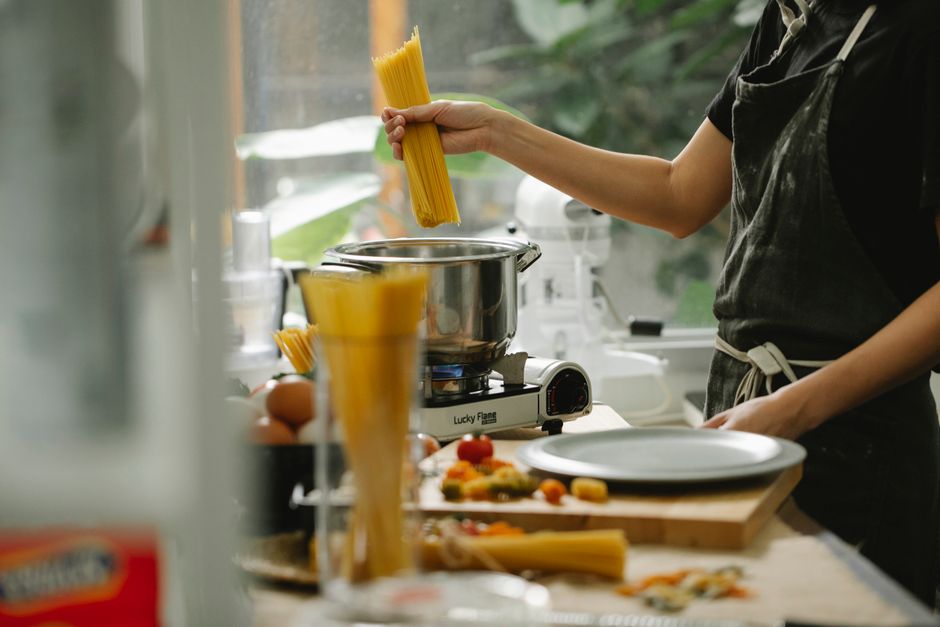
Weeknight cooking from a pantry follows a simple pattern: choose a pasta shape, select a sauce direction, and add finishing elements. A tomato-based sauce typically starts with olive oil and aromatics, adds canned tomatoes, and simmers while the pasta cooks. An oil-based approach combines olive oil, garlic, and perhaps red pepper flakes with pasta cooking water to create a light coating. In both cases, the ingredients are already on hand, and the cooking process is short.
Pasta cooking water is a practical tool in this context. The starchy water helps emulsify oil-based sauces and adjust the consistency of tomato sauces. Reserving a cup of cooking water before draining is a simple habit that increases the range of sauces that can be made from the same pantry set. This technique does not require additional ingredients, which aligns with the goal of avoiding extra shopping.
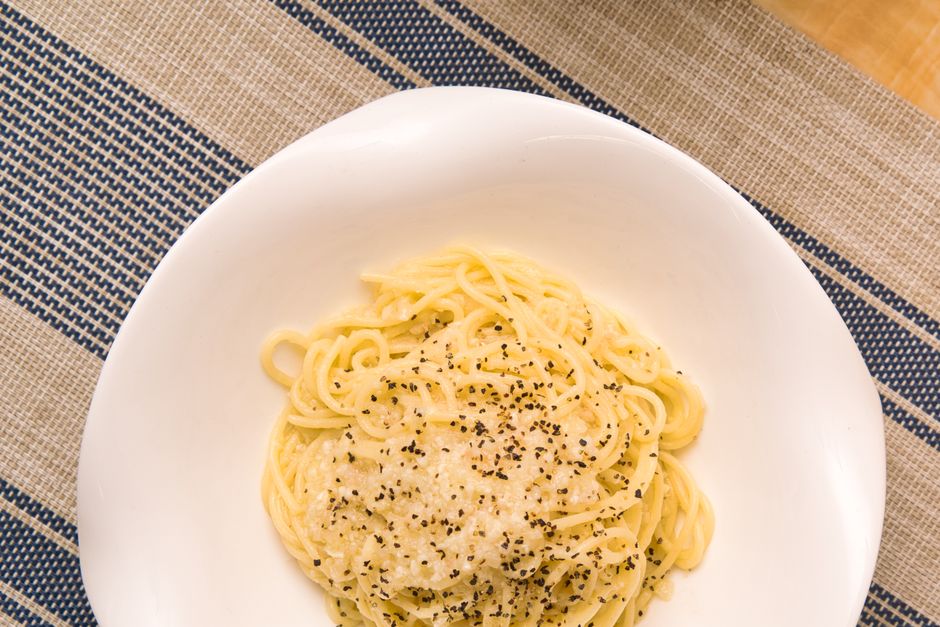
Cheese is added at the end, either stirred into the sauce or grated over the finished dish. The amount and type depend on the sauce and on personal preference. Hard grating cheeses are the most pantry-friendly option, while softer cheeses can be used when they are available. The finishing step is where the pantry approach shows its flexibility: the same base ingredients can produce noticeably different results depending on how they are combined and finished.
Durumia Kitchen frames this approach as a matter of routine and organization rather than a fixed recipe list. The pantry provides a stable foundation, and the specific meals vary with what is on hand and what the household prefers. Because outcomes depend on product quality, cooking technique, and individual taste, the pantry is best understood as a system that supports consistent weeknight cooking rather than a guarantee of any particular result.