Matching Pasta Shapes with Classic Italian Sauces
Pairing pasta shapes with sauces is a fundamental aspect of Italian culinary tradition, rooted in practical considerations of texture, surface area, and the way different sauces interact with various forms of pasta. The guiding principle is simple: the shape of the pasta should complement the consistency and density of the sauce, ensuring that each bite delivers a balanced combination of flavors and textures. This principle is not about rigid rules but about understanding the physical and sensory dynamics at play.
In Italian cooking, the choice of pasta shape is often dictated by the sauce’s viscosity, the size of its ingredients, and the overall mouthfeel desired. For instance, chunky sauces with large pieces of meat or vegetables require shapes that can cradle and hold these components, while thin, oily, or tomato-based sauces benefit from shapes with greater surface area or textural ridges that can capture the sauce effectively. Recognizing these interactions allows cooks to make informed decisions that enhance the dining experience.
This article explores the rationale behind matching pasta shapes with classic Italian sauces, providing practical examples and explaining why certain combinations work better than others. By focusing on the principles of surface area, shape, and sauce consistency, readers can develop a deeper appreciation for this culinary art and apply it to their own cooking.
The Science of Sauce Adhesion: Surface Area and Texture
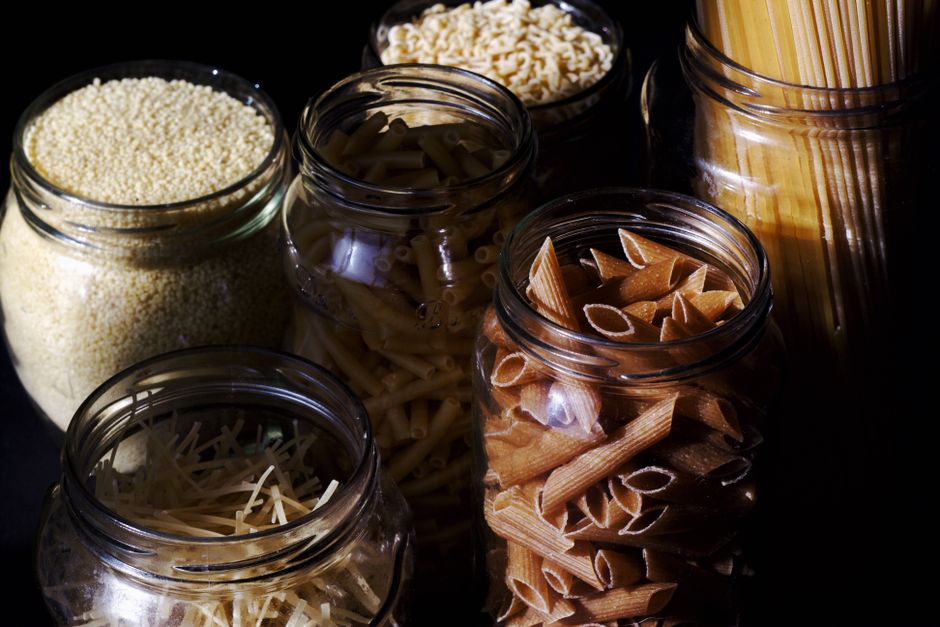
The ability of a sauce to cling to pasta depends largely on the pasta’s surface area and texture. Pasta shapes with ridges, grooves, or rough surfaces provide more opportunities for sauce to adhere, while smooth, compact shapes may cause thinner sauces to slide off. This is why tubular shapes like rigatoni, with their internal and external ridges, are excellent for thick, chunky sauces that can lodge in the crevices and inside the tube. Similarly, long, thin strands like spaghetti offer a large surface area relative to their volume, making them ideal for thin, coating sauces.
Moreover, the cooking method and the timing of combining pasta with sauce play a role. Finishing the pasta in the sauce over heat allows the starch released during cooking to emulsify with the sauce, creating a cohesive mixture. This technique is particularly effective with shapes that have a textured surface, as the starch and sauce can bind more readily. Understanding these physical interactions helps in selecting the right pasta for a given sauce, ensuring that the sauce is not left behind on the plate.
Chunky Sauces and Robust Shapes: A Natural Pairing
Chunky sauces, such as those containing pieces of meat, mushrooms, or vegetables, require pasta shapes that can accommodate and support the solid ingredients. Rigatoni, with its wide tubes and ridged exterior, is a classic example of a shape that works well with chunky sauces. The large opening of rigatoni allows pieces of meat or vegetables to enter the tube, while the ridges on the outside help hold the sauce. This creates a harmonious bite where pasta and sauce are evenly distributed.
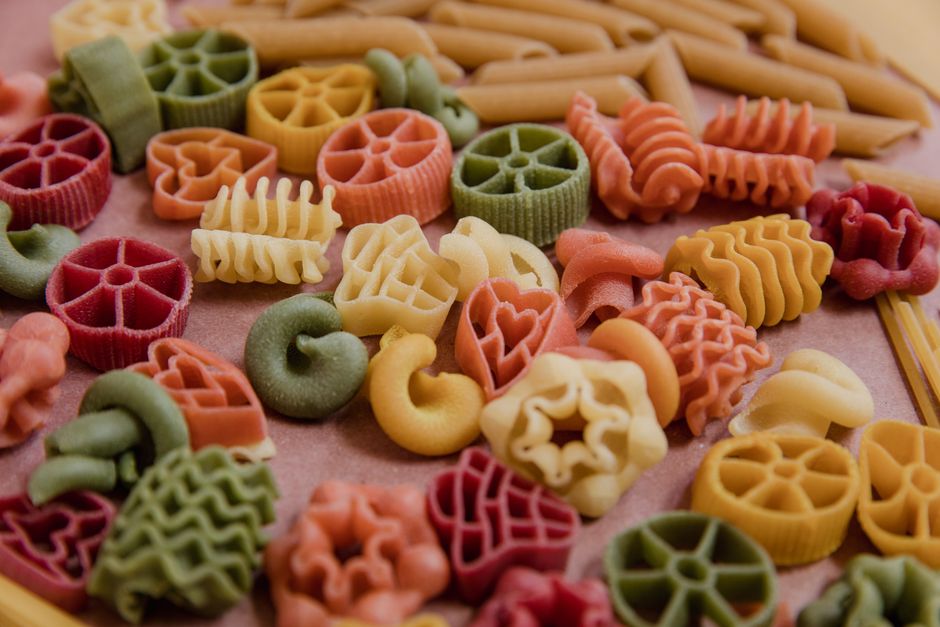
Other shapes that pair well with chunky sauces include penne, farfalle, and orecchiette. Penne’s angled ends and ridges provide similar benefits to rigatoni, while farfalle’s pinched center and wide wings can catch small chunks. Orecchiette, meaning “little ears,” have a concave shape that cups chunky sauces effectively. When selecting a shape for a chunky sauce, consider the size of the solid ingredients: larger pieces may require larger shapes, while smaller chunks can be paired with medium-sized shapes.
It is also worth noting that the sauce’s cooking time and the pasta’s bite should align. Chunky sauces often simmer for longer periods, developing deep flavors, and the pasta should be cooked to a firm texture that holds up to the robust sauce. Combining the two at the right moment ensures that the pasta does not become overly soft and that the sauce clings properly.
Thin Sauces and Long Strands: The Art of Coating
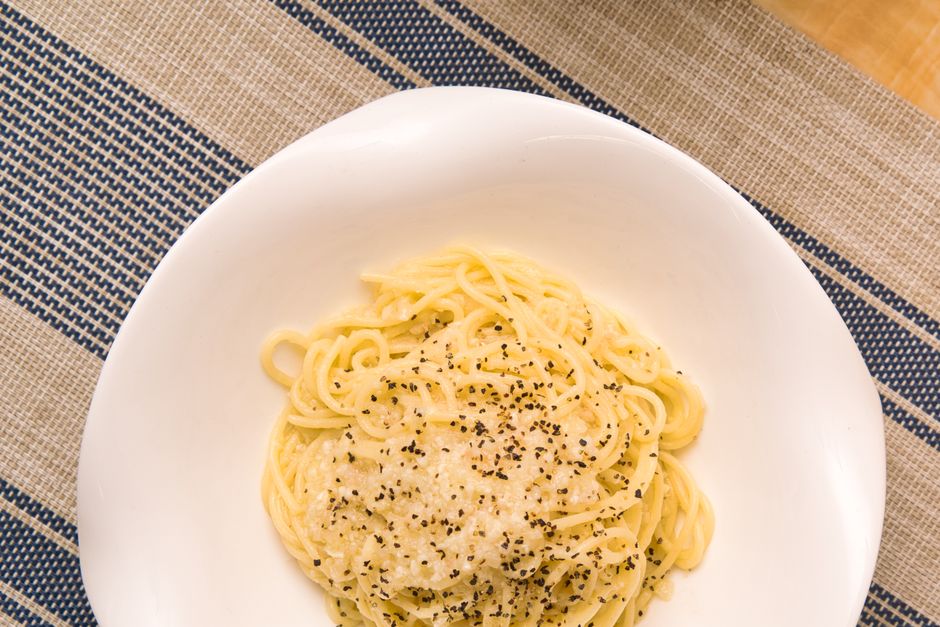
Thin sauces, such as those based on olive oil, garlic, or light tomato, rely on the pasta’s surface to create a uniform coating. Spaghetti, with its long, thin strands, offers a high surface area that allows thin sauces to coat each strand evenly. The smooth texture of spaghetti also facilitates the even distribution of oil-based sauces, which can otherwise pool at the bottom of the dish. The classic spaghetti aglio e olio is a prime example of how a simple oil and garlic sauce coats each strand, delivering flavor in every bite.
Other long pasta shapes, such as linguine, vermicelli, and capellini, serve similar purposes. Linguine, slightly wider than spaghetti, can handle slightly thicker sauces while still maintaining the coating ability. Vermicelli and capellini, being very thin, are best suited for the lightest sauces, such as those with a broth or wine base. When using thin sauces with long pasta, it is important to reserve some pasta water to adjust the sauce’s consistency, as the starch in the water helps the sauce adhere to the pasta.
For thin sauces that contain small bits of ingredients, such as grated cheese or herbs, long pasta shapes can trap these particles between the strands, adding texture and flavor. However, if the sauce contains larger pieces, a long shape may not be the best choice, as the pieces may not be evenly distributed. In such cases, a short shape with ridges may be more appropriate.
Practical Pairing Examples and Considerations
Applying these principles to classic Italian sauces can guide everyday cooking. For a rich ragù with ground meat and tomatoes, rigatoni or pappardelle are traditional choices: rigatoni’s tubes capture the meat, while pappardelle’s wide ribbons support the sauce. For a creamy Alfredo sauce, fettuccine is often used because its broad, flat surfaces allow the thick sauce to coat evenly. For a light pesto, trofie or linguine work well, as the sauce can cling to the twists or strands.
When pairing, consider the following factors:
- Viscosity of the sauce: thick sauces with large pieces need shapes that can hold them; thin sauces need shapes with high surface area.
- Size of ingredients: match the size of pasta to the size of sauce components to ensure even distribution.
- Texture of pasta: ridges, grooves, and rough surfaces improve adhesion for thicker sauces.
- Cooking method: finishing pasta in the sauce helps emulsify and bind, especially for textured shapes.
At Durumia Kitchen, we believe that understanding these principles empowers cooks to experiment and find their preferred combinations. There is no single correct pairing, but rather a spectrum of possibilities that can be explored based on personal taste and the specific ingredients at hand. By paying attention to the interplay between pasta shape and sauce consistency, one can achieve consistently satisfying results.
“The shape of the pasta is the frame that holds the sauce, and the sauce is the picture that fills it.”
In conclusion, matching pasta shapes with sauces is a matter of respecting the physical properties of both components. By considering surface area, texture, and sauce consistency, cooks can create dishes that are greater than the sum of their parts. This approach not only enhances flavor and texture but also reflects a thoughtful engagement with culinary tradition. Whether using Durumia Kitchen’s pasta or any other high-quality brand, the principles remain the same: let the sauce guide the shape, and let the shape serve the sauce.